Author/Source: David Gewirtz / ZDNET See the full link here
Takeaway
This article introduces “Physical AI,” a new way for devices to use artificial intelligence directly on the device, rather than relying on the internet. You will learn how this technology allows smart devices and robots to interact with the real world more intelligently and independently.
Technical Subject Understandability
Beginner
Analogy/Comparison
Physical AI is like giving your toy robot its own brain so it can learn to play by itself without you constantly telling it what to do, even if it’s not connected to the internet.
Why It Matters
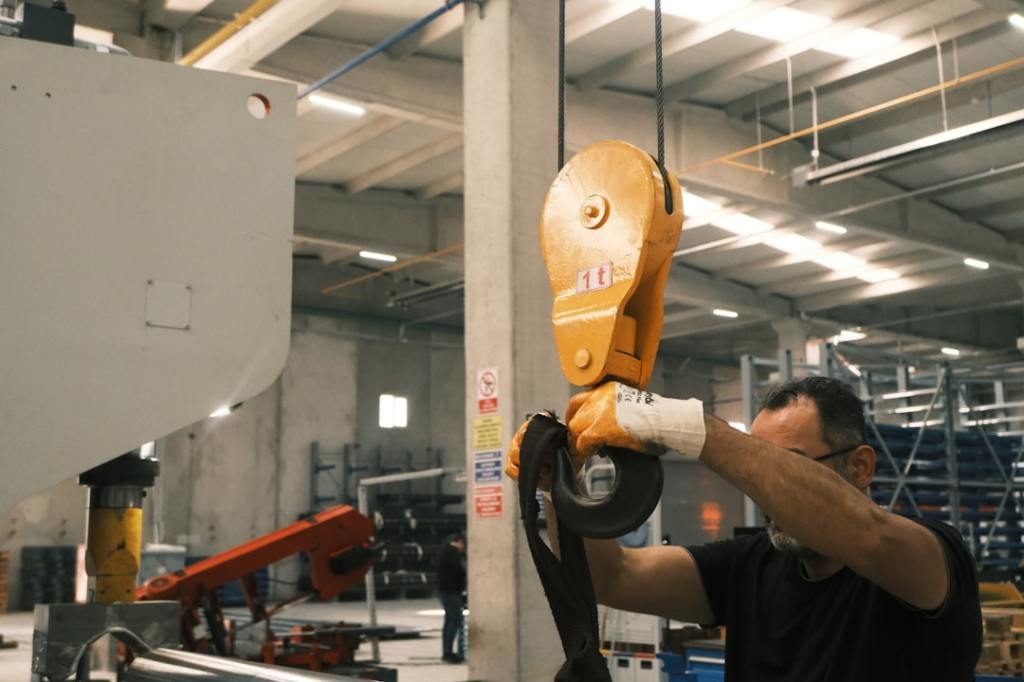
Physical AI makes devices smarter and more useful because they can learn and act on their own, even without an internet connection. For example, a factory robot could learn to improve its tasks over time without needing a human to constantly program it, making factories more efficient.
Related Terms
Physical AI, Edge AI, Cloud. Jargon Conversion: Physical AI is artificial intelligence that helps machines understand and react to the real world around them. Edge AI means that the artificial intelligence processing happens directly on the device itself, like a smart camera, instead of sending information to a faraway computer. Cloud means a network of remote servers on the internet that store, manage, and process data, rather than a local server or device.
 Tech Teacher
Leave a comment