Author/Source: Alex Coffee / Talk Android See the full link here
Takeaway
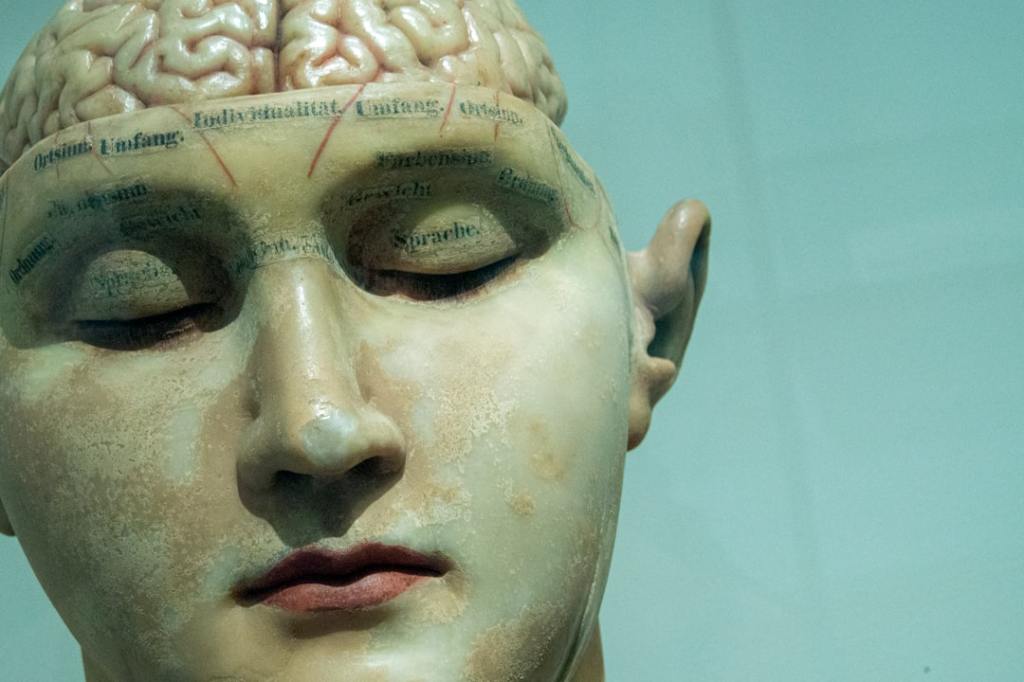
Large Language Models (LLMs) have spontaneously developed a “theory of mind,” a cognitive skill previously thought unique to humans. This means AI can now infer and predict the beliefs and intentions of others. This breakthrough could lead to AI that learns and interacts with people in much more sophisticated and human-like ways.
Technical Subject Understandability
Intermediate
Analogy/Comparison
Imagine a skilled poker player who not only knows the rules of the game but can also anticipate what cards their opponent might have and what their next move will be, simply by observing their subtle reactions and betting patterns.
Why It Matters
This advancement means AI can potentially understand human users on a deeper level, making interactions more natural and effective. For instance, a smart assistant could go beyond simple commands to truly understand a user’s underlying needs or frustrations, offering more empathetic and tailored responses, or even anticipate a user’s next question before it’s asked.
Related Terms
AI (Artificial Intelligence) LLMs (Large Language Models) Theory of Mind (ToM) Cognitive Science Predictive Processing
Jargon Conversion: AI (Artificial Intelligence): Machines that can perform tasks that typically require human intelligence, like learning, problem-solving, and understanding language. LLMs (Large Language Models): Advanced AI systems trained on vast amounts of text data to understand, generate, and process human language, like the technology behind chatbots. Theory of Mind (ToM): The ability to understand that other people have their own thoughts, feelings, beliefs, and intentions that might be different from your own. Cognitive Science: The study of the mind and its processes, including thinking, perception, memory, and learning. Predictive Processing: A theory suggesting the brain constantly makes and updates predictions about what it will experience next, using these predictions to understand the world.
 Tech Teacher
Leave a comment