Author/Source: Evelyn Cheng, Arjun Kharpal, and Sarah Whitten / CNBC See the full link here
Takeaway
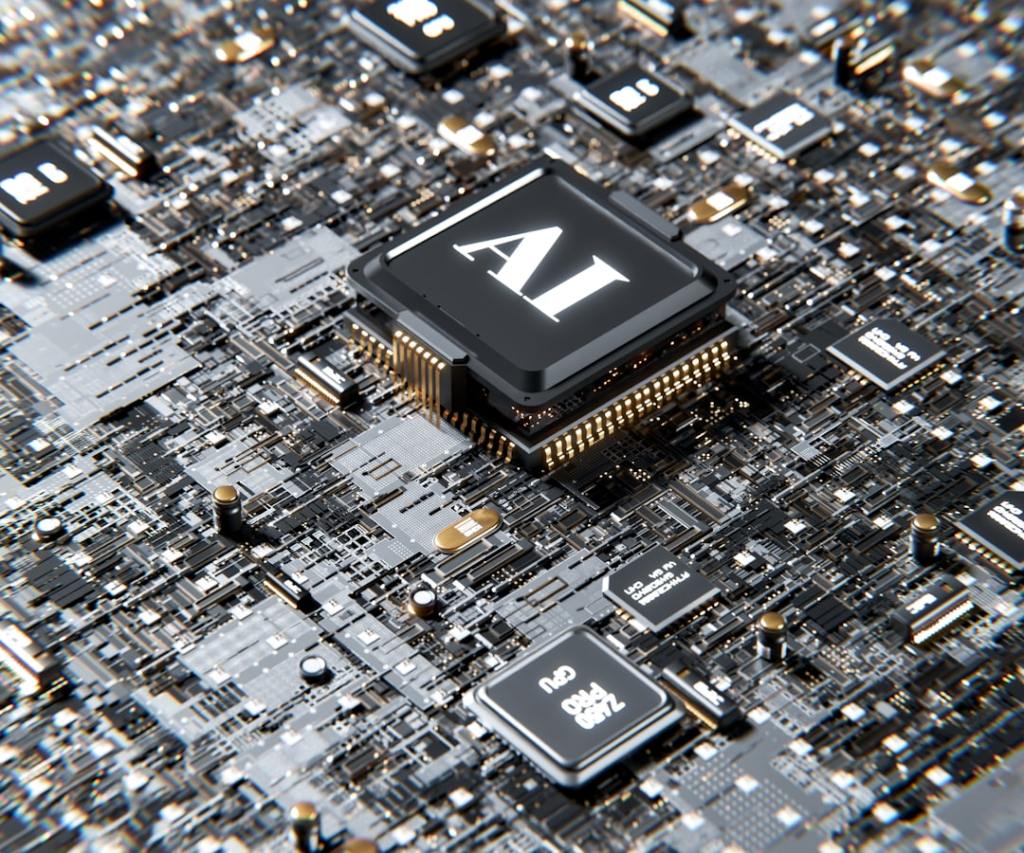
This article explains China’s approach to competing with the United States in artificial intelligence. Instead of solely focusing on making the most advanced individual chips, China is building massive networks of existing chips and using abundant, affordable energy to power these immense computing facilities, aiming to develop its own AI capabilities. The article suggests this strategy is a clever workaround to overcome US technology restrictions.
Technical Subject Understandability
Intermediate
Analogy/Comparison
Imagine two chefs competing to bake the best cake. One chef focuses on inventing new, super-advanced ovens with unique features, while the other chef gathers many good, reliable ovens already available, arranges them efficiently in a large kitchen, and has a steady, inexpensive supply of electricity and ingredients to keep them all running constantly. This second chef might still create many delicious cakes through sheer scale and persistent effort, even without the absolute newest oven technology.
Why It Matters
Understanding China’s AI strategy is crucial because it highlights how global competition in advanced technology is evolving. This approach could significantly impact everything from developing new medicines and improving energy grids to creating more efficient transportation systems worldwide, as nations vie for leadership in a field that promises to reshape industries and daily life. For example, if China successfully deploys AI at scale, it could accelerate breakthroughs in areas like climate modeling or personalized healthcare on a massive scale, influencing global standards and innovation.
Related Terms
AI
Semiconductors
Compute clusters
Sanctions
Open source
Indigenous AI
Gigawatt-scale
Nvidia
Jargon Conversion:
AI: Computers learning to think and solve problems like people.
Semiconductors: Tiny electronic components, often called “chips,” that are the brains of computers and all modern electronics.
Compute clusters: Many powerful computers linked together to act like one super-strong computer, used for big tasks like training AI.
Sanctions: Official restrictions or penalties placed on a country or business, often to limit trade or technology access.
Open source: Software code that is freely available for anyone to use, modify, and share.
Indigenous AI: Artificial intelligence technology and capabilities developed entirely within a specific country, using its own resources and expertise.
Gigawatt-scale: A very large amount of power, enough to supply electricity to many hundreds of thousands of homes or even a small city.
Nvidia: A company famous for making specialized computer chips, especially powerful ones used for graphics and artificial intelligence.
 Tech Teacher
Leave a comment