Author/Source: Alana Moskowitz / CNET See the full link here
Takeaway
This article serves as a comprehensive glossary, defining 50 essential artificial intelligence terms that are frequently discussed today. It aims to demystify the rapidly evolving world of AI, empowering readers to better understand and engage with its concepts and applications.
Technical Subject Understandability
Beginner
Analogy/Comparison
Imagine exploring a new city for the first time. This article is like having a helpful guidebook that explains all the important landmarks, common phrases, and cultural customs, so you can navigate confidently and understand what’s happening around you.
Why It Matters
Artificial intelligence is quickly integrating into many aspects of our daily lives, from the digital tools we use to the information we encounter. Understanding its core terminology allows you to make more informed decisions, critically evaluate AI-related news, and thoughtfully participate in discussions about its impact on society. For example, knowing what “deepfake” means can help you identify manipulated content online and avoid misinformation.
Related Terms
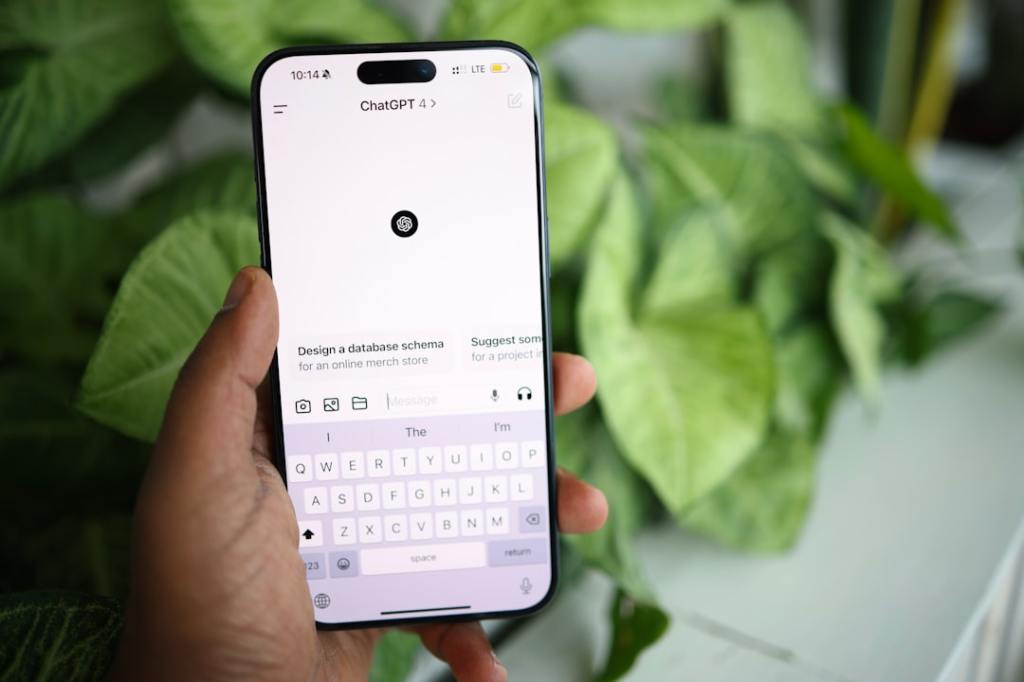
ChatGPT
Large Language Model (LLM)
Machine Learning
Generative AI
Prompt Engineering
Neural Network
Algorithm
Deepfake
Bias
Hallucination
Jargon Conversion:
Large Language Model (LLM): Think of it like a very advanced digital brain that has learned from an immense amount of text, enabling it to understand, generate, and respond to human language.
Generative AI: This is a type of AI that can create brand new content, such as original images, stories, or music, rather than just analyzing existing information.
Prompt Engineering: It’s the skill of crafting very specific and clear instructions or questions for an AI system to get the best and most desired output.
Bias: When an AI system shows unfair preferences or makes inaccurate assumptions, usually because the data it was trained on contained certain imbalances or prejudices.
Hallucination: This is when an AI provides information that sounds confident and factual but is actually made up or incorrect, similar to a creative but inaccurate guess.
 Tech Teacher
Leave a comment